

Key Takeaways for Your Privacy Strategy
- Legal Separation: Using a stage name is a start, but legal protections like DBAs (Doing Business As) provide a stronger wall.
- Digital Hygiene: Scrubbing PII (Personally Identifiable Information) from data brokers is more important than changing your password.
- Likeness Control: Understanding that your face is your brand, but your biometric data is your property.
- Doxxing Response: Having a pre-planned "nuclear option" for when privacy is breached.
The Shield of the Stage Name
Most people think a fake name is enough. It's not. In the eyes of the law, a stage name is a brand, but your legal name is where the taxes, contracts, and lawsuits live. If you're signing contracts with studios or platforms using your real name, you're leaving a paper trail. To truly protect yourself, you need to create a legal buffer.
One of the most effective ways to do this is by establishing a Limited Liability Company (LLC). By routing your payments and contracts through an LLC, you can often keep your personal name off the primary business filings. For example, instead of "Jane Doe," the contract is with "Starlet Media LLC." This adds a layer of obfuscation that makes it harder for a casual internet sleuth to find your home address through public business registries.
Have you checked your local business filings lately? Many performers forget that when they register a business, that information often becomes public record. Using a registered agent service-a third party that receives legal documents on your behalf-prevents your home address from appearing in the public record. It's a small monthly fee that pays for itself the first time a stalker tries to look up your office location.
Fighting the Doxxing Epidemic
Doxxing happens when someone maliciously publishes your private information online. In the adult industry, this is often weaponized by "anti-fans" or disgruntled ex-partners. The goal isn't just to embarrass you; it's to destroy your ability to live a normal life outside of work.
To fight this, you have to understand how Data Brokers work. Companies like Acxiom and Whitepages scrape public records-voter registrations, property deeds, and social media-to build a profile on you. They then sell this data to anyone with a credit card. If you haven't sent a formal opt-out request to these brokers, your phone number is likely just three clicks away from being found.
Here is a practical approach to scrubbing your presence:
- Audit Your Socials: Search your stage name and your real name in quotes on Google. See what pops up.
- Remove PII: Use a service or manually email the "opt-out" or "privacy" address of the top 20 data brokers.
- Separate Devices: Never use the same email or phone number for your professional accounts as you do for your bank or your family.
- VOIP Numbers: Use a Google Voice or similar service for any platform that requires a phone number for verification. Never give out your primary SIM number.

Owning Your Likeness and Biometrics
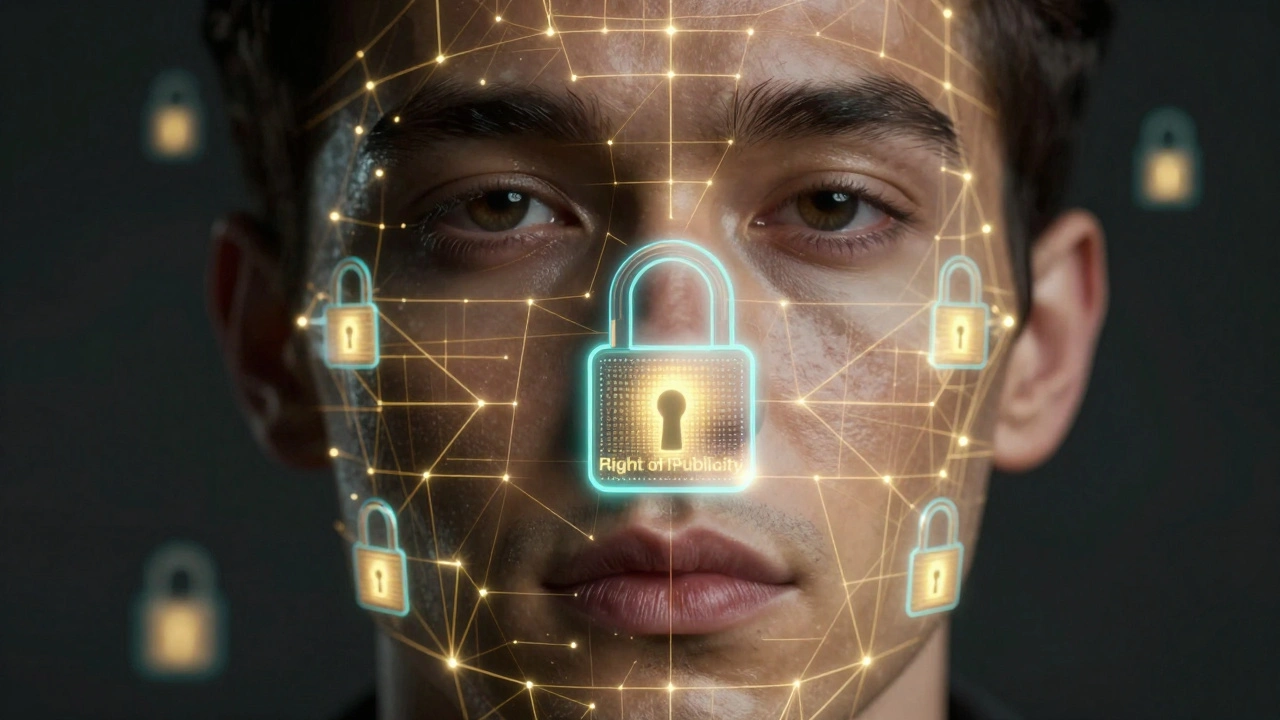
Your face and body are your primary assets. While you grant platforms the right to host your content, that doesn't mean you've signed away your Right of Publicity. This is the legal right to control how your image is used for commercial purposes.
The rise of AI has made this much more complicated. We are now seeing "deepfakes" where a performer's likeness is mapped onto another person's body without consent. This isn't just a privacy breach; it's a theft of your brand. To protect yourself, ensure your contracts specifically address AI and synthetic media. A good contract should state that your likeness cannot be used to train generative AI models without an additional, separate licensing agreement.
| Method | Protection Level | Primary Risk Mitigated | Difficulty to Setup |
|---|---|---|---|
| Stage Name Only | Low | Casual Recognition | Very Easy |
| LLC + Registered Agent | High | Public Record Leaks | Moderate |
| Data Broker Opt-Out | High | Doxxing/Address Leaks | Tedious |
| VOIP / Burner Numbers | Medium | SIM Swapping / Spam | Easy |
Legal Recourse After a Breach
What happens when the wall breaks? If you've been doxxed, the first instinct is often to panic and delete everything. While that's a natural reaction, you need to act strategically to get the information down and hold the perpetrator accountable.
First, document everything. Take screenshots of the posts, the timestamps, and the profiles of those sharing your information. This is your evidence for a Cease and Desist letter. A formal letter from a lawyer often scares off amateur doxxers who think they are anonymous behind a VPN.
Second, utilize the DMCA (Digital Millennium Copyright Act). While DMCA is typically for copyright, many platforms allow you to report content that contains private personal information as a violation of their Terms of Service. Reporting a "privacy violation" is often faster than reporting a "copyright violation" because it triggers a safety protocol rather than a legal review.
If the harassment escalates to threats, you are moving from a privacy issue to a criminal issue. In the US, laws regarding "cyberstalking" vary by state, but most jurisdictions allow you to seek a restraining order if the doxxing is linked to a credible threat of violence. Don't try to "reason" with a doxxer; they are looking for a reaction. Block, document, and report.
Managing the "Digital Shadow"
A digital shadow is the trail of data you leave behind without realizing it. This includes EXIF data in photos-the hidden metadata that tells a computer exactly where and when a photo was taken. If you upload a photo from your bedroom and the GPS coordinates are embedded in the file, anyone with a free online tool can find your house.
Before uploading any content, use a metadata stripper. Most modern smartphones have options to disable location services for the camera, but it's safer to use a dedicated app to clear the data. Similarly, be careful with "background clues." A specific coffee shop sign, a unique landmark outside your window, or even the specific layout of your room can be used by "OSINT" (Open Source Intelligence) hobbyists to triangulate your location.
Can I sue someone for doxxing me?
Yes, depending on the jurisdiction and the nature of the leak. You can potentially sue for "invasion of privacy," "intentional infliction of emotional distress," or "defamation" if the doxxing included false claims. However, these cases are expensive and difficult because the perpetrator is often anonymous. Your best bet is usually to start with a Cease and Desist and report the content to the hosting platform's trust and safety team.
Is a VPN enough to protect my identity?
A VPN (Virtual Private Network) hides your IP address and encrypts your traffic, which prevents your ISP or a website from knowing your physical location. While essential for digital security, it doesn't protect you from doxxing based on public records or social engineering. A VPN stops a hacker from finding your house via your IP, but it won't stop a data broker from selling your home address found in public tax records.
Should I use a real name on my banking and payment apps?
For banking, you must use your legal name for KYC (Know Your Customer) regulations. However, to keep this separate from your public life, you should use a dedicated business bank account under your LLC. When using payment apps like PayPal or CashApp, avoid using your legal name on the public-facing profile. Use your stage name or business name for the display name, and ensure your email address is a professional one not linked to your personal social media.
What is the first thing I should do after a privacy leak?
First, secure your accounts by changing passwords and enabling Two-Factor Authentication (2FA) via an app like Authy or Google Authenticator-avoid SMS-based 2FA. Second, take screenshots of everything. Third, contact the platforms where the info is posted to request immediate removal based on privacy violations. Finally, notify your inner circle (family, close friends) so they aren't blindsided by harassment or phishing attempts.
How do I stop my photos from giving away my location?
Disable "Location Tags" in your camera settings. Additionally, use a metadata removal tool before uploading content to any public site. Be mindful of your surroundings; avoid filming out of windows or including mail/packages with your address visible in the frame. This prevents "geo-guessing," where people identify locations based on visual landmarks.
Next Steps for Your Privacy Audit
If you're feeling overwhelmed, don't try to fix everything in one day. Start with a "Privacy Audit." Spend one hour this week searching for yourself on Google and Bing using different combinations of your names and handles. Then, spend next week contacting the biggest data brokers to opt out. Finally, look into setting up an LLC and a registered agent if you plan on making this a long-term career. Privacy is a process, not a one-time setting; you have to maintain it as your profile grows.