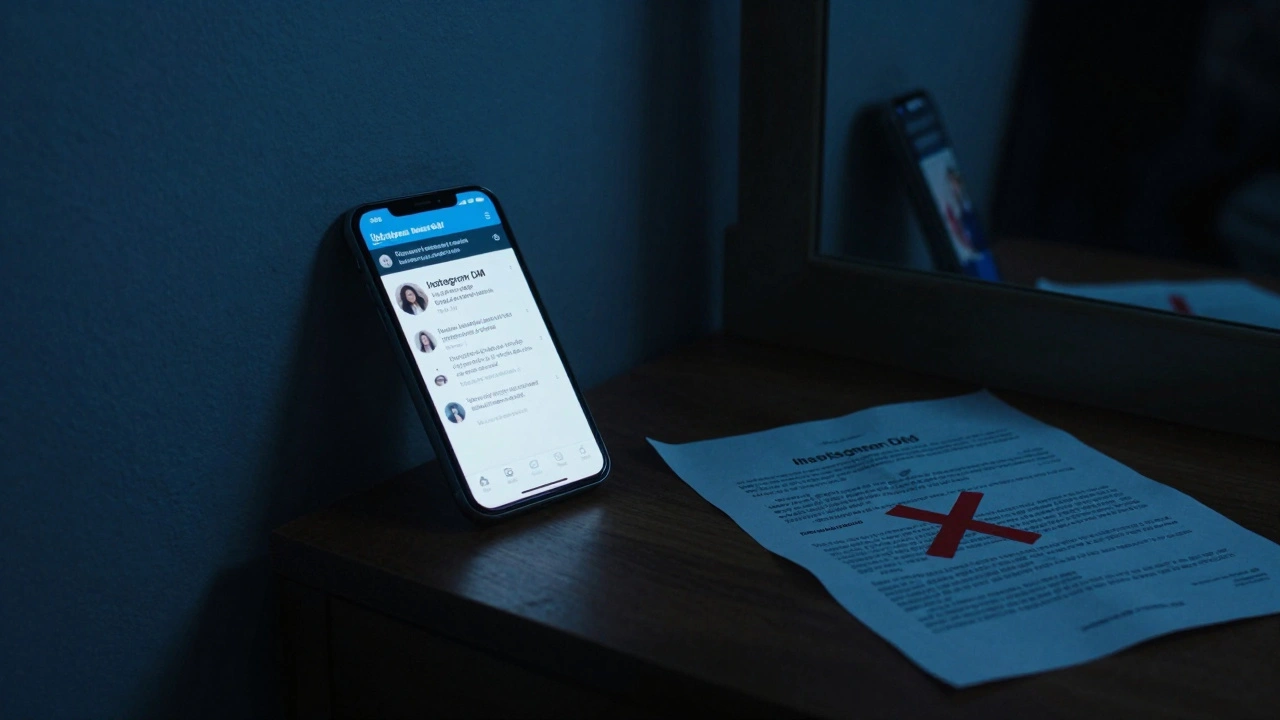

Every year, thousands of people enter the adult entertainment industry through channels that look legitimate but hide dangerous realities. Many don’t realize they’re being lured into exploitation until it’s too late. The truth is, not all casting calls, modeling agencies, or social media DMs are what they seem. Safe recruitment isn’t just a nice idea-it’s a necessity. And it starts with knowing where to look-and where to run.
What Safe Recruitment Actually Means
Safe recruitment means finding work through channels that protect your rights, verify identities, and refuse to hide behind anonymity. It’s not about being picky. It’s about survival. Legitimate studios and agencies don’t ask for upfront fees. They don’t pressure you into signing contracts on the spot. They don’t insist on secrecy or forbid you from talking to others.
According to a 2024 report by the Global Network of Sex Work Projects, over 60% of reported trafficking cases in adult entertainment began with a recruitment message that appeared professional-often on Instagram, TikTok, or modeling forums. These messages promised high pay, flexibility, and creative control. But behind the polished photos and polished words were traffickers using fake agencies, forged contracts, and isolation tactics to trap people.
Red Flags in Recruitment Messages
If you’re being recruited, watch for these warning signs:
- They ask you to pay for a "portfolio shoot," "training package," or "membership fee" before you work.
- Their website has no physical address, no verifiable phone number, and no staff bios.
- You’re told not to tell friends, family, or other performers about the job.
- The contract is vague, handwritten, or sent as a PDF with no legal terms listed.
- They use burner phones, encrypted apps like Signal or Telegram, and avoid video calls.
These aren’t "bad luck" situations. They’re classic trafficking indicators. Traffickers rely on silence, confusion, and fear. The moment you’re told to keep quiet, you’re already in danger.
Where to Find Real Opportunities
Not all recruitment is predatory. There are ethical players in the industry who prioritize performer safety. Here’s where to find them:
- Verified studio websites with public addresses, licensed business registration, and clear hiring policies. Look for studios that list their compliance with industry standards like the Free Speech Coalition’s Performer Safety Program.
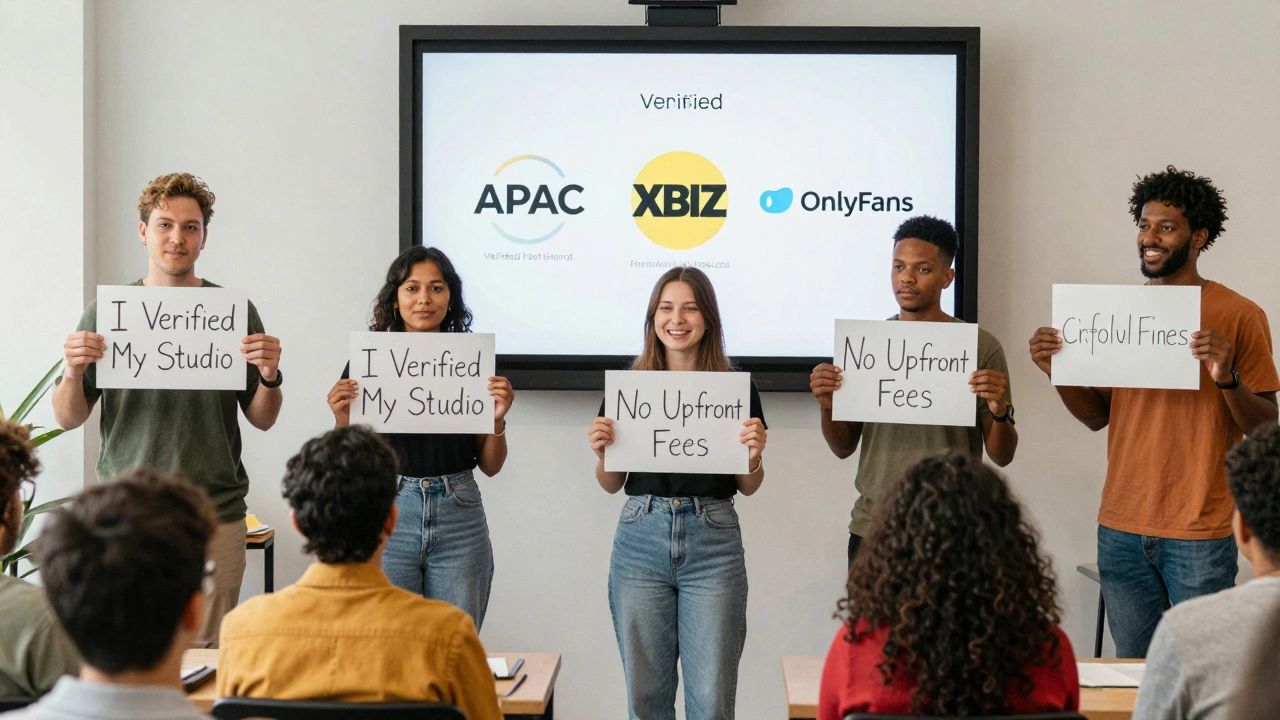
- Union-affiliated platforms like the Adult Performer Advocacy Committee (APAC) job board. These require background checks on employers and mandate contracts with clear terms.
- Peer-recommended networks like the Performer Safety Collective or Reddit’s r/AdultPerformers. These are moderated communities where performers share real experiences and warn others about bad actors.
- Industry events like the XBIZ Show or AVN Awards. Legitimate studios have booths, staff in uniform, and professional contact info. No walk-ins, no "private meetings" in hotels.
These channels don’t guarantee safety, but they add layers of accountability. A real studio will let you talk to other performers on their roster. They’ll let you bring a friend to the shoot. They’ll have a clear process for reporting abuse.
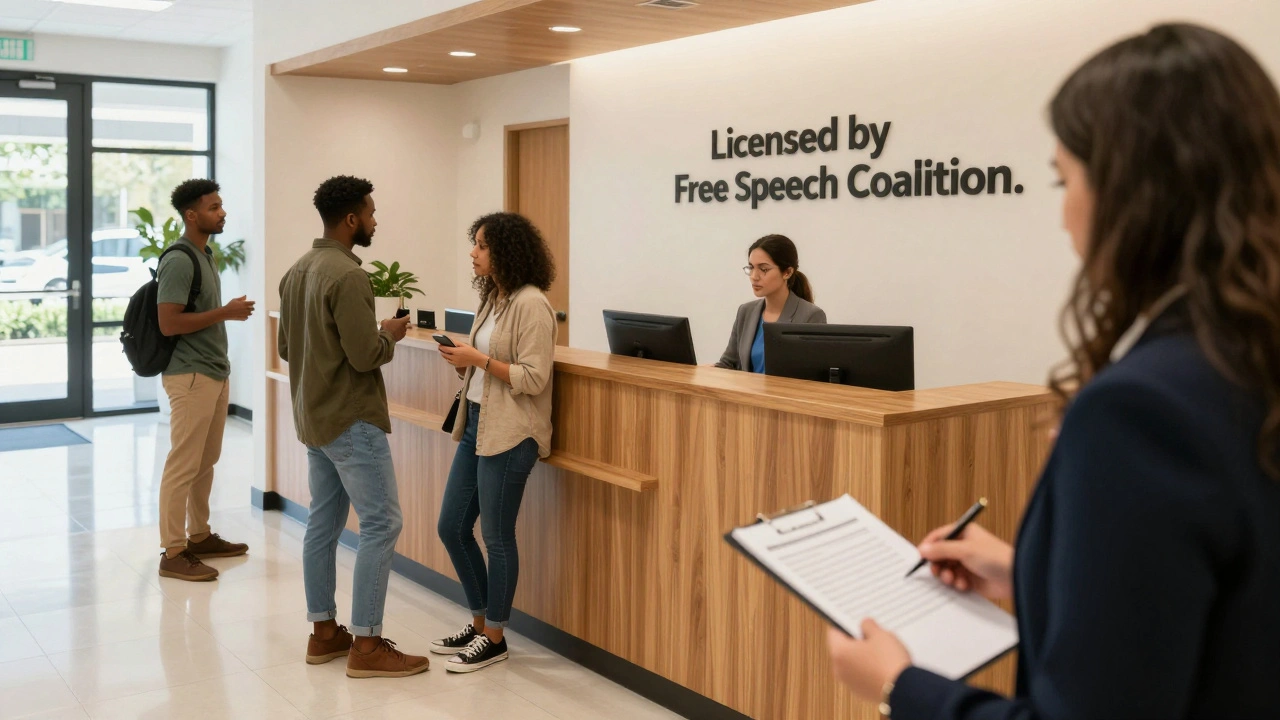
How to Verify a Company Before You Agree to Anything
Before you sign anything-or even show up-do this:
- Search the company name + "scam" or "lawsuit" in Google. Look for news articles, not just forum posts.
- Check the Better Business Bureau (BBB) or state business registry. If it’s not registered, walk away.
- Ask for a list of three past performers you can contact. If they refuse, it’s a red flag.
- Request a written contract with clear payment terms, safety protocols, and exit clauses. If they send a vague Google Doc, don’t proceed.
- Use a third-party service like Performer Legal Aid is a nonprofit that reviews contracts for free and advises performers on their rights.
One performer in Atlanta told investigators she signed with a "top-tier agency" after a DM from someone claiming to be a casting director. She later found out the agency didn’t exist. The company’s website was a fake domain bought for $12. Her footage was sold without consent. She had no legal recourse because there was no paper trail.
Why Anonymity Is a Weapon
Traffickers love anonymity. They hide behind pseudonyms, use untraceable payment apps, and avoid video verification. Legitimate employers don’t fear transparency. They want you to know who you’re working with.
If someone says, "I can’t do a video call because I’m in another country," that’s not a reason-it’s a warning. Real studios have offices, HR departments, and legal teams. They don’t need to hide.
Also, be wary of recruiters who say, "This is a private opportunity, don’t tell anyone." That’s not exclusivity-it’s control. Traffickers isolate their victims to prevent help from reaching them.
What to Do If You’re Already in a Dangerous Situation
If you’re already working with someone who feels off, don’t wait until it’s too late. Here’s what to do:
- Document everything: screenshots of messages, payment receipts, contracts, location details.
- Contact Free the Slaves is a U.S.-based nonprofit with a 24/7 hotline for trafficking survivors in the adult industry.
- Reach out to the Adult Performer Advocacy Committee (APAC) offers confidential support, legal referrals, and housing assistance.
- If you’re in immediate danger, call 911. You are not at fault. Law enforcement has protocols for these cases.
Many performers think they’ll be arrested or shamed if they speak up. That’s not true. Organizations like APAC and the National Network to End Domestic Violence have worked with law enforcement to change how these cases are handled. Your safety comes first.
How the Industry Is Changing
Five years ago, most adult studios didn’t care about recruitment safety. Now, they’re required to follow new rules. In 2025, California passed the Performer Protection Act, which mandates that all studios using performers in the state must register with the Department of Labor and undergo annual audits.
Platforms like OnlyFans and ManyVids now require verified IDs from talent partners. Some studios use blockchain-based contracts to ensure payments are traceable and contracts are tamper-proof. These aren’t perfect systems-but they’re steps forward.
The biggest change? More performers are speaking up. YouTube channels like "Behind the Lens" and TikTok accounts like "Performer Truth" have thousands of followers sharing real stories. That visibility is making it harder for bad actors to operate in the dark.
Your Power: Know Your Rights
You have the right to:
- Refuse any shoot you’re uncomfortable with-even if you’ve signed a contract.
- Have a third party (friend, advocate, lawyer) present during negotiations.
- Receive payment in full before any content is released.
- Withdraw consent for content usage at any time.
These aren’t "nice-to-haves." They’re legal rights in many states. If someone tells you otherwise, they’re lying.
Safe recruitment isn’t about being naive. It’s about being smart. It’s about knowing that your body, your time, and your consent are worth protecting. The industry has dark corners-but it also has people working to make it safer. You don’t have to suffer in silence. You don’t have to trust strangers. And you don’t have to choose between survival and safety.
How do I know if a casting call is legitimate?
A legitimate casting call will have a verifiable company name, a physical address, a professional website with staff bios, and a clear hiring process. They won’t ask for money upfront, won’t pressure you to sign immediately, and will allow you to speak with current performers. Check the Better Business Bureau, search the company name + "scam," and always request a written contract with payment terms.
Can I get help if I’m already being exploited?
Yes. Organizations like the Adult Performer Advocacy Committee (APAC) and Free the Slaves offer confidential support, legal aid, and safe housing. You are not alone, and you are not to blame. Law enforcement has protocols to protect performers in these situations. Call APAC’s hotline or dial 911 if you’re in immediate danger.
Do I need a contract to work legally?
Yes. A contract is your legal protection. It should include payment terms, content usage rights, safety protocols, and how to end the agreement. If you’re asked to sign without one, walk away. Legitimate studios provide contracts in advance and allow time to review them. Services like Performer Legal Aid can review contracts for free.
Is it safe to work with someone I met on social media?
It’s risky. Most trafficking cases start with DMs that look professional. Always verify the person’s identity, check their company’s registration, and never agree to a shoot without a contract or video call. If they avoid video, use encrypted apps, or refuse to share details, it’s a red flag. Stick to verified platforms and peer-recommended networks.
What should I do if I’m asked to pay for a shoot?
Never pay for a shoot. Legitimate studios pay performers, not the other way around. If someone asks for money for "portfolio shots," "training," or "membership," it’s a scam. Report the account to the platform and alert performer safety groups like APAC or the Performer Safety Collective. This is a classic trafficking tactic.