

When you hear about adult content production, most people think about the videos, the platforms, or the performers in front of the camera. But behind every scene, there’s a set of rules - or at least, there should be. The Performer Bill of Rights isn’t a law passed by Congress. It’s a living, evolving set of standards created by performers, unions, and ethical producers to protect the people who make this industry work. And it’s not optional. It’s essential.
What Is the Performer Bill of Rights?
The Performer Bill of Rights is a written agreement that outlines the minimum protections every performer should expect before, during, and after filming. It started as a grassroots movement in the early 2010s, when performers began speaking out about unsafe conditions, lack of consent, and unfair pay. Today, it’s adopted by over 70% of major independent studios in the U.S. and Canada.
This isn’t just a checklist. It’s a contract between the performer and the production team. It covers health, safety, payment, boundaries, and dignity. And it’s not something you sign once and forget. It’s reviewed and renegotiated on every shoot.
Core Protections: The Five Pillars
Every reputable production company that follows the Performer Bill of Rights builds its operations around five core areas. These aren’t suggestions. They’re non-negotiable.
- Consent is continuous - No one signs a blanket agreement. Every act, every touch, every camera angle must be approved in real time. If a performer says "stop," filming stops. No exceptions. No "it’s just a scene" excuses.
- Health testing is mandatory and transparent - Performers must be tested for STIs every 14 days. Results are shared with all parties before filming. No one is allowed on set without current, verified lab reports. Studios use third-party labs to avoid conflicts of interest.
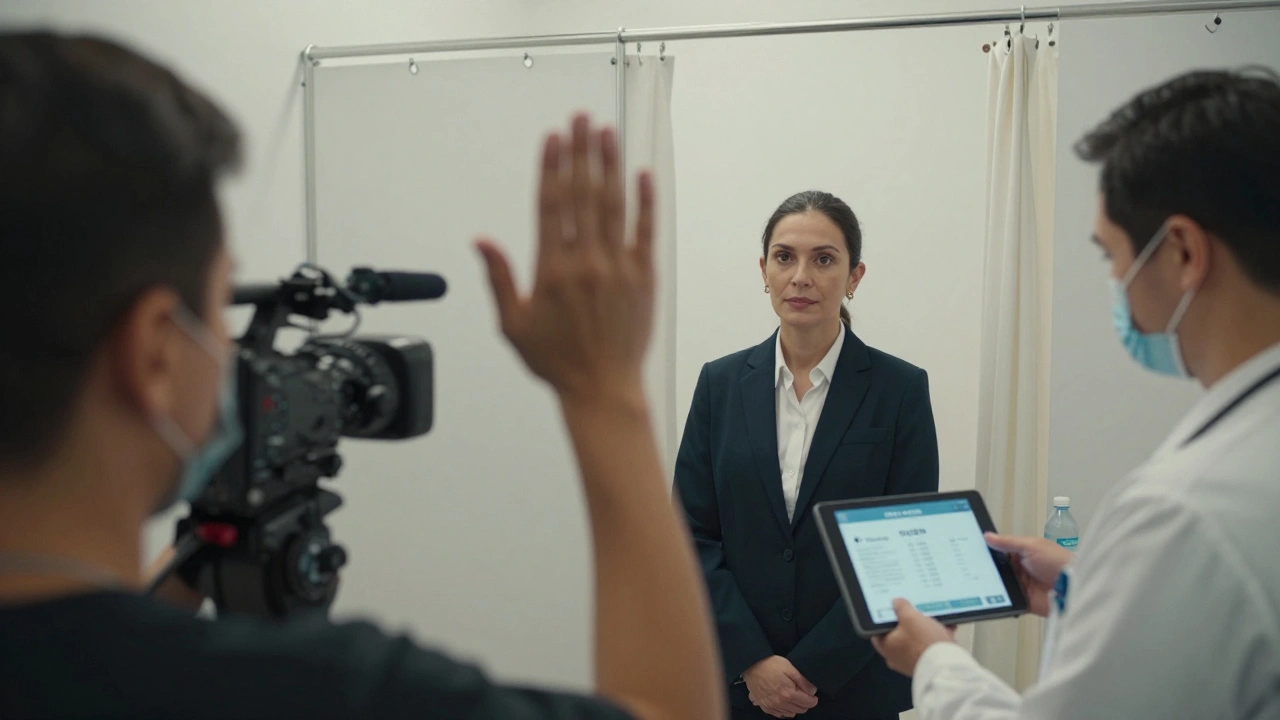
- Safe working conditions - Sets must have temperature control, clean restrooms, hydration, snacks, and private changing areas. No one is forced to shoot in unsafe or unsanitary environments. This includes protection from extreme heat, cold, or noise levels that could damage hearing.
- Payment guarantees - Performers are paid in full before filming begins. No "pay after release" schemes. No deductions for "equipment damage" or "reshoots." If you show up, you get paid. Period.
- Right to walk away - A performer can leave at any time, for any reason. No penalties. No blacklisting. No threats. If they feel unsafe, uncomfortable, or pressured, they leave. The studio absorbs the cost. Not the performer.
How These Protections Are Enforced
Having rules on paper doesn’t mean anything if no one enforces them. That’s why the industry created the Performer Safety Council (PSC), a group made up of former performers, medical professionals, and independent producers. The PSC audits studios quarterly. They don’t just look at documents - they interview performers anonymously.
Studios that fail audits lose access to major distribution platforms. That’s how serious it is. If you’re not following the Bill of Rights, you can’t get your content on Pornhub, OnlyFans, or ManyVids. These platforms now require proof of compliance before even considering a partnership.
There’s also a public registry. You can look up any studio and see their compliance status. If a studio has a red flag - say, a history of unpaid performers or violations - it’s listed. No hiding.
What Happens When the Rules Are Broken?
Some producers still try to cut corners. They promise "big money" and then delay payment. They pressure performers into acts they didn’t agree to. They skip testing because "everyone knows each other."
When that happens, the consequences are swift. Performers who report violations are protected by confidentiality agreements. Whistleblowers don’t get fired - they get support. The PSC investigates, and if a studio is found guilty, they’re banned from industry events, removed from distribution networks, and often face civil lawsuits.
In 2024, a major studio in Los Angeles was shut down after three performers came forward about being forced into unprotected acts. The studio had falsified test results. The owner was fined $250,000. The performers received full back pay and free legal representation. That case became a model for how accountability should work.
Why This Matters Beyond the Industry
This isn’t just about adult film. It’s about how we treat people in any kind of labor that’s stigmatized. If we accept exploitation in one industry, we normalize it everywhere. The Performer Bill of Rights shows that even in industries with low public trust, ethical standards can be built - and enforced.
It’s also changing how mainstream media talks about sex work. More journalists now reference the Bill of Rights when covering stories. More universities include it in gender studies and labor law courses. It’s becoming a textbook example of how workers can reclaim power in industries that once treated them as disposable.
What Performers Should Do
If you’re a performer - whether you’re just starting or you’ve been in the industry for years - know your rights. Don’t sign anything without reading it. Ask for the studio’s PSC compliance status before agreeing to a shoot. Demand to see test results. Insist on a private space to change. If you’re pressured, walk away. You’re not being difficult. You’re being smart.
Keep records. Save emails. Record conversations if legal in your state. Use the PSC’s anonymous reporting portal. You’re not alone. Thousands of performers have used these protections to stay safe and stay paid.
What Producers Should Do
If you’re running a studio, stop thinking of the Bill of Rights as a burden. It’s your best marketing tool. Performers choose studios that protect them. Audiences are starting to ask: "Is this content made ethically?" The answer matters more than ever.
Compliance isn’t expensive. Health testing costs less than $100 per performer per cycle. Paying upfront costs nothing but builds loyalty. Creating a safe set costs less than one bad headline.
Adopt the standards. Join the PSC. Get audited. Make your studio the one performers recommend to their friends. That’s how you build a lasting business - not by cutting corners, but by raising the bar.
Common Myths Debunked
- Myth: "The Bill of Rights slows down production." Truth: Clear boundaries mean fewer delays. No last-minute cancellations. No renegotiations mid-shoot. It actually makes production smoother.
- Myth: "Only small studios care about this." Truth: The biggest platforms now require it. Big studios that ignore it are being left behind.
- Myth: "Performers don’t really use these rights." Truth: In 2025, over 8,000 performers filed formal complaints through the PSC. That’s not a small number. That’s a movement.
Is the Performer Bill of Rights legally binding?
No, it’s not a law. But it’s enforced through industry contracts and platform policies. If a studio violates it, they lose access to major distribution channels. That’s how they’re held accountable - by cutting off their revenue, not by court orders.
Can a performer be blacklisted for using their rights?
Legally, no. Ethically, it shouldn’t happen. But in the past, some studios tried. Today, the Performer Safety Council tracks blacklisting attempts. If a studio is found to be retaliating, they’re immediately banned from all major platforms. Performers have legal recourse, and many have won settlements.
Do all adult content platforms require compliance?
Yes. Platforms like OnlyFans, ManyVids, and Pornhub now require proof of PSC compliance before onboarding new studios. Even Patreon has updated its policies to exclude studios that don’t follow the Performer Bill of Rights. This isn’t optional anymore.
What if a performer changes their mind during a shoot?
They stop. Immediately. The Bill of Rights says consent is ongoing. If a performer says "no" or "I’m done," filming halts. The producer must cover all costs, including travel and lost time. No performer has ever been penalized for withdrawing consent.
How can I verify if a studio follows the Bill of Rights?
Go to the Performer Safety Council’s public registry. You can search by studio name, location, or owner. It shows their compliance status, audit dates, and any violations. If they’re not listed, assume they don’t follow the standards. Don’t work with them.
Final Thoughts
The adult content industry doesn’t need more regulation. It needs more respect. The Performer Bill of Rights isn’t about politics or morality. It’s about basic human dignity. It’s about saying: if you’re doing this work, you deserve to be treated like a professional - not a commodity.
And that’s not just good ethics. It’s good business. Studios that protect their performers thrive. Those that don’t? They disappear.