
When you visit an adult site, you might think you’re just browsing content. But behind some of those videos and profiles, there’s a darker reality: human trafficking. It’s not something that happens far away. It’s happening right now, hidden in plain sight on platforms you might use without thinking twice. If you’ve ever wondered if what you’re seeing is real, consensual, or forced-you’re not alone. And your awareness could be the first step in stopping it.
What You’re Really Seeing
Not every adult site is illegal. But many use fake profiles, edited images, and misleading tags to disguise coercion. A person being trafficked won’t say, "I’m trapped." They’ll smile, look into the camera, and act like everything’s normal. That’s because they’ve been trained to. Traffickers control every detail: what they wear, what they say, even how they blink. The goal? Make it look real so buyers don’t question it.
Here’s what you might notice if you’re paying attention:
- The person never speaks or only says scripted lines like "Thank you for supporting me."
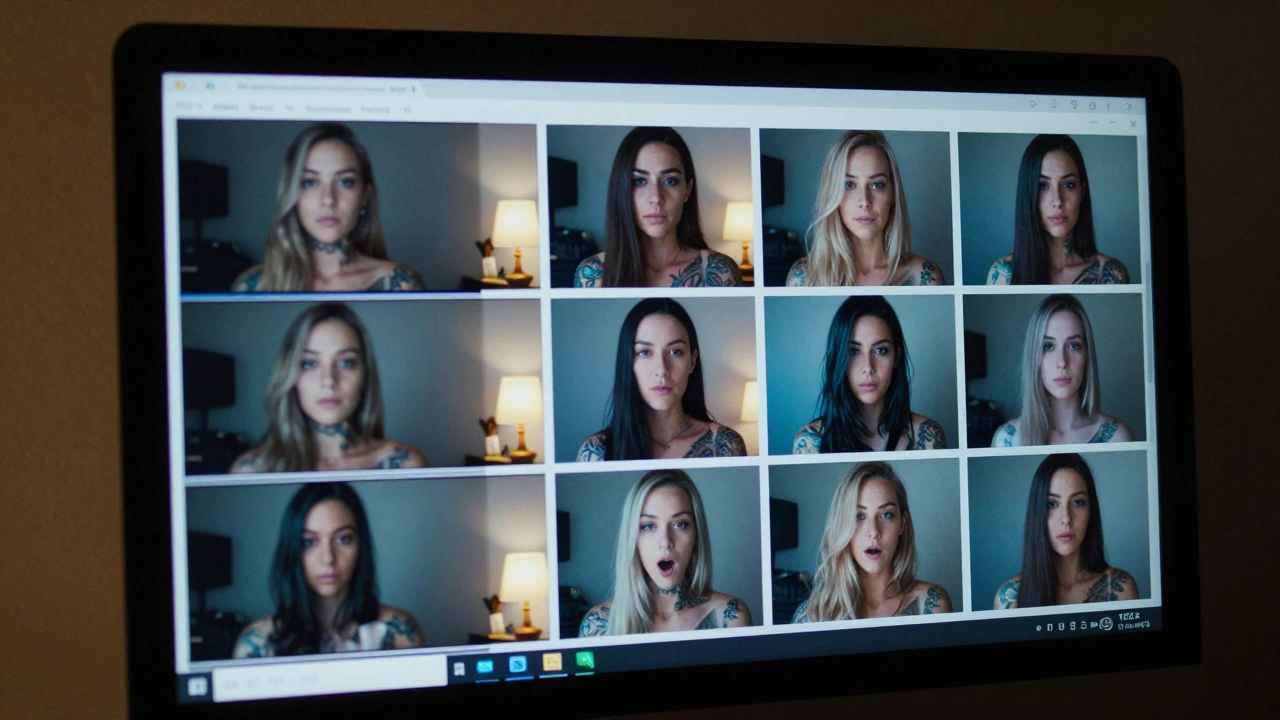
- They appear in multiple videos with different names, ages, or backgrounds-but the same tattoos, scars, or background objects.
- They look scared, frozen, or overly compliant-even when the scene is aggressive.
- There’s no context: no room details, no time stamps, no personal info. Just endless, repetitive content.
- The same person shows up on multiple sites under different usernames, sometimes with slight changes in hair color or accent.
These aren’t coincidences. They’re red flags. The U.S. Department of Justice found in 2024 that over 60% of identified trafficking cases online involved reused content across platforms, often with minor edits to avoid detection. That means one person could be exploited in dozens of "different" videos.
How Traffickers Hide in Plain Sight
Traffickers don’t use shady underground forums anymore. They use mainstream platforms with weak moderation. Adult sites that allow anonymous uploads, don’t verify age, or ignore user reports are the most dangerous. Some even encourage users to "report suspicious activity"-but never explain what that means.
They use tactics like:
- Using stolen identities-real people’s photos and names taken from social media.
- Creating fake "independent performer" profiles to avoid suspicion.
- Posting videos with timestamps that don’t match the lighting or weather shown.
- Using automated bots to flood sites with content, making it harder to spot patterns.
One case from late 2025 involved a 17-year-old girl from Ohio. Her photos were taken during a school trip, then used for months on three different adult sites. She never consented. Her face was altered, her voice deepened, and she was labeled as a "24-year-old exotic dancer from Thailand." No one flagged it until a teacher recognized her eyes in a video and called the police.
What You Can Do Right Now
You don’t need to be a detective. You don’t need to confront anyone. But you can act. Here’s how:
- Don’t download or share videos. Even if you think it’s "just content," sharing spreads exploitation. Every view funds the system.
- Report suspicious content immediately. Use the site’s report button-but don’t stop there. If the site doesn’t respond within 48 hours, go to the National Human Trafficking Hotline.
- Save screenshots. Don’t delete the page. Take a screenshot with the URL visible. That’s evidence.
- Call or text the National Human Trafficking Hotline at 1-888-373-7888. They’re available 24/7. You can stay anonymous. You don’t need proof. Just describe what you saw.
- Talk to someone. Tell a friend, a coworker, a family member. Trafficking thrives in silence. Your voice breaks that.
One person reporting can trigger an investigation. In 2025, over 1,200 trafficking cases were opened based solely on public reports from ordinary users. You don’t have to be brave. You just have to be willing to act.

Why Most People Don’t Report
It’s uncomfortable. You might think:
- "It’s probably just a performer."
- "I don’t want to get involved."
- "Someone else will report it."
- "What if I’m wrong?"
Here’s the truth: you don’t have to be right. You just have to be suspicious. The Hotline doesn’t arrest people. They connect victims with shelter, medical care, legal aid, and counseling. Their job isn’t to judge you-they’re there to save lives.
And if you’re wrong? You’ve done nothing wrong. But if you’re right? You’ve changed someone’s life forever.
How to Spot Patterns Across Sites
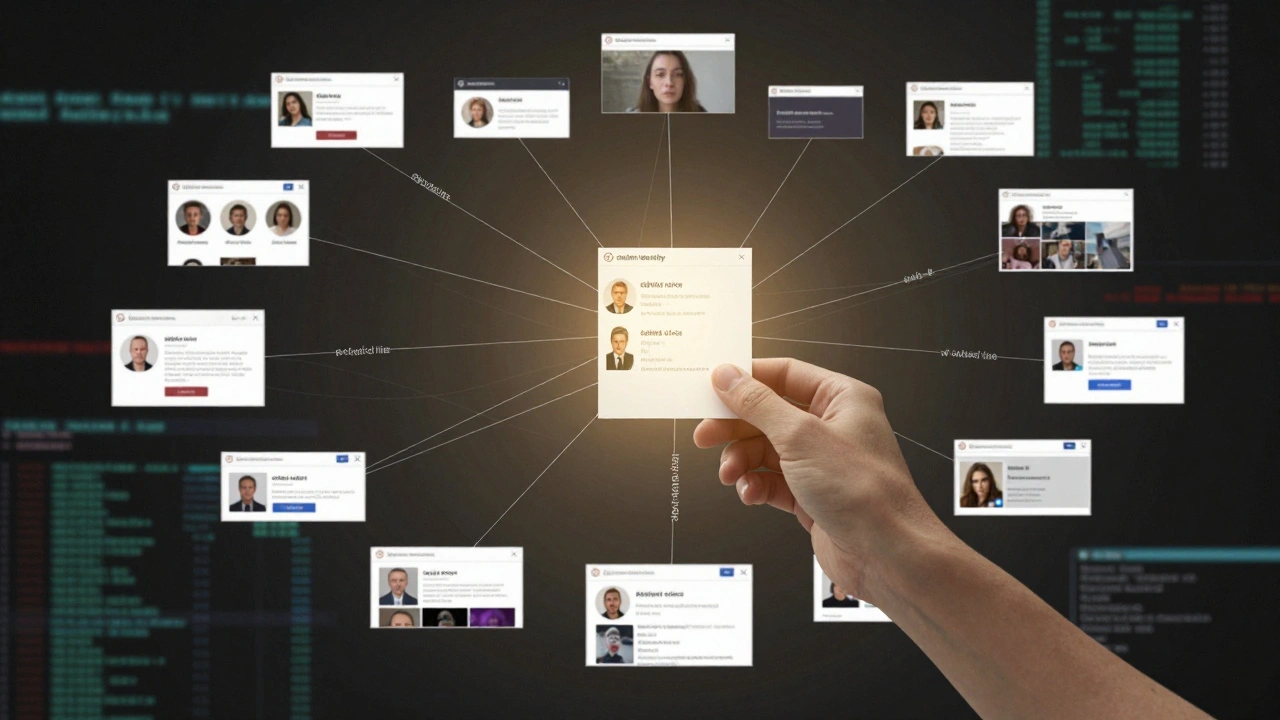
Many victims appear on more than one platform. If you see the same face on two different sites, that’s not a coincidence. Use these tools to compare:
- Look at the background. Is there a unique lamp, a poster, a window shape?
- Check the lighting. Does the angle of shadows match across videos?
- Notice body language. Do they flinch at the same moment? Do their hands shake the same way?
- Check the audio. Is the voice pitch the same? Are there identical filler words like "um" or "you know?"
There’s no app that does this automatically. But you can do it manually. It takes less than five minutes. And it could be the difference between a life trapped and a life freed.
What Happens After You Report
When you call the Hotline, you’ll speak to a trained advocate. They’ll ask:
- Where you saw the content (site name, URL, username)
- What the person looked like (hair, eyes, tattoos, scars)
- What was happening in the video
- Whether you saved a screenshot
That’s it. No judgment. No follow-up unless you want it. The Hotline shares your info with law enforcement and anti-trafficking organizations. They don’t need your name. They just need your eyes.
In 2025, over 7,000 victims were identified through public reports. Most were found because someone noticed something "off" and didn’t ignore it.
How to Help Beyond Reporting
Reporting is step one. But you can do more:
- Share this information with others. Post it on your social media. Send it to a friend. Don’t wait for someone else to speak up.
- Support organizations that help survivors. Groups like Polaris and the International Justice Mission provide real services-housing, therapy, job training.
- Ask your favorite adult site: "Do you verify age? Do you monitor for trafficking? Can I see your reporting policy?" Demand transparency.
- If you run a website or platform, implement automatic detection tools. Use AI to flag repeated faces, mismatched timestamps, and scripted language.
Change doesn’t come from laws alone. It comes from people who refuse to look away.
Frequently Asked Questions
What if I accidentally viewed a trafficked person’s video? Am I in trouble?
No. Simply viewing content does not make you legally responsible. The law targets those who produce, distribute, or profit from trafficking. Your awareness and report help victims. The system is designed to protect you for doing the right thing.
Can I report anonymously?
Yes. The National Human Trafficking Hotline accepts anonymous reports. You don’t need to give your name, phone number, or location. You can even use a public computer or library terminal to report. Your safety matters as much as the victim’s.
What if the site says the person consented?
Consent under coercion isn’t consent. Traffickers use threats, debt, drugs, or emotional manipulation to force compliance. A person might say "yes" because they’re afraid to say no. The Hotline and law enforcement are trained to recognize these signs. Your report helps them investigate-not judge.
How do I know if a video is real or edited?
Look for inconsistencies: mismatched lighting, unnatural eye movement, repeated background objects, or identical poses across different videos. Deepfakes are common, but they still leave traces. If something feels "off," trust that feeling. You don’t need to be an expert-just observant.
What if I report and nothing happens?
Something always happens. Reports are logged, cross-referenced with other tips, and analyzed for patterns. One report might not lead to an arrest-but 10 reports from different people can. You’re adding to a database that’s saving lives every day. Don’t underestimate your role.
Next Steps
If you’ve read this far-you’re already part of the solution. Start today:
- Bookmark the National Human Trafficking Hotline number: 1-888-373-7888
- Set a reminder to check your browser history for any adult sites you’ve visited in the last month. If you saw anything suspicious, report it now.
- Share this article with someone you trust. Don’t wait for someone else to act.
Human trafficking doesn’t need a villain in a mask. It needs silence. Your awareness breaks that silence. And that’s more powerful than you know.